

Research consistently shows that the first few weeks of school are not just a “warm-up period.” They help establish patterns of belonging, attendance, engagement, behavior, and academic confidence that often persist throughout the year. Students who feel connected early are more likely to attend regularly, engage in learning, earn stronger grades, and remain on track for long-term success.
Why the First Few Weeks Matter
1. Students Form Their Sense of Belonging Quickly
A strong sense of belonging is one of the most powerful predictors of student engagement and success. Research completed by the Oregon Department of Education and Teaching + Learning Lab shows that students who feel welcomed, valued, connected to peers, and supported by adults are more likely to attend school regularly and achieve academically.
Key findings include:
- Students who report feeling welcome at school have better attendance rates.
- Students who believe there is an adult at school who cares about them are more likely to remain engaged and earn credits successfully.
- Belonging is especially important during transitions and new beginnings, when students are deciding whether they “fit” in a school environment.
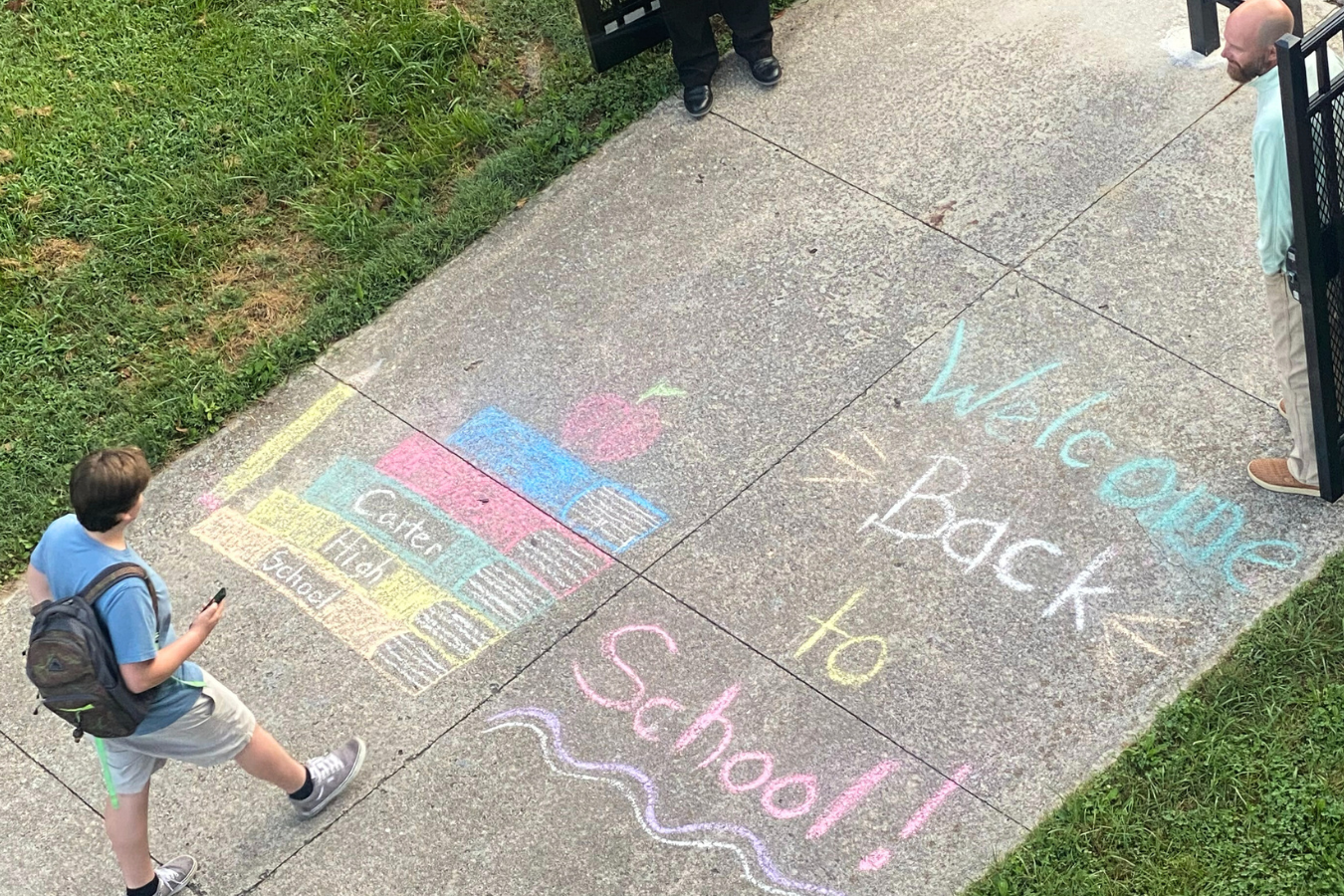
The experiences students have during the first days and weeks help determine whether they see school as a place where they are known, valued and supported.
2. Early Attendance Patterns Become Long-Term Attendance Patterns
Attendance is one of the strongest predictors of academic success and graduation. Research demonstrates that students who feel connected to school are more likely to attend consistently.
The Education Endowment Foundation notes that creating an environment where students feel seen, understood, safe, and included is a crucial foundation for improving attendance.
For school leaders, this means that:
- Building positive relationships early can improve attendance.
- Attendance challenges often reflect a lack of connection rather than simply a compliance issue.
- Preventing disengagement in August and September can reduce absenteeism later in the year.
3. Relationships With Adults Are Protective Factors
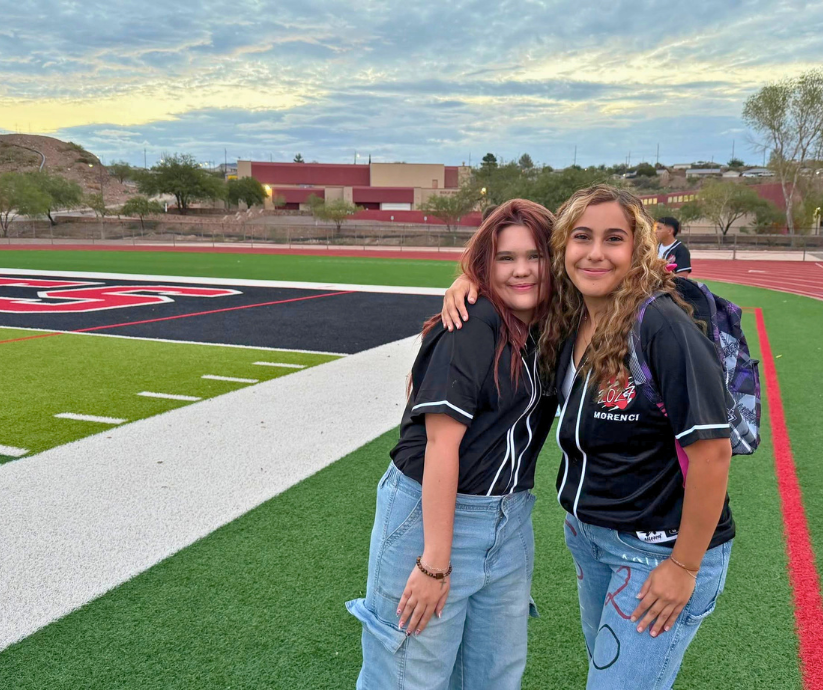
Across multiple studies, including one done by the Education Endowment Foundation, students who have at least one trusted adult in school demonstrate stronger academic and attendance outcomes.
Research from Oregon’s Department of Education found that having a caring adult at school was a particularly strong protective factor for both attendance and credit attainment.
Students who start the year knowing that teachers and staff care about them are more likely to:
- Ask for help
- Persevere through challenges
- Participate in class
- Stay connected when difficulties arise.

4. Early Experiences Shape Academic Mindset and Engagement
Researchers studying belonging have found that students interpret early struggles differently depending on their sense of connection. Students with low belonging often see setbacks as evidence that they do not fit in, while students with strong belonging are more likely to persist.
A positive start helps students develop:
- Academic confidence
- Persistence
- Motivation
- Classroom engagement
Belonging has been linked not only to achievement but also to persistence and long-term educational outcomes.

5. The Effect Is Especially Important During Transitions
Research done by the U.S. Department of Education and AdLit on the transition into high school provides some of the strongest evidence for the importance of early experiences.
Studies show:
- Ninth grade is a pivotal year for determining whether students ultimately graduate.
- Attendance is one of the strongest predictors of freshman success. In fact, middle school attendance is reportedly more predictive of ninth-grade course failure than prior test scores.
- Students who build strong relationships and feel connected during transition periods are more likely to stay on track academically.
While much of this research focuses on ninth grade, the lesson applies broadly: transition periods amplify the impact of early experiences.
What the Most Successful Schools Do Early
Research-informed practices during the opening weeks include:
- Prioritize relationships before rigor by ensuring every student is known by name and connected to adults.
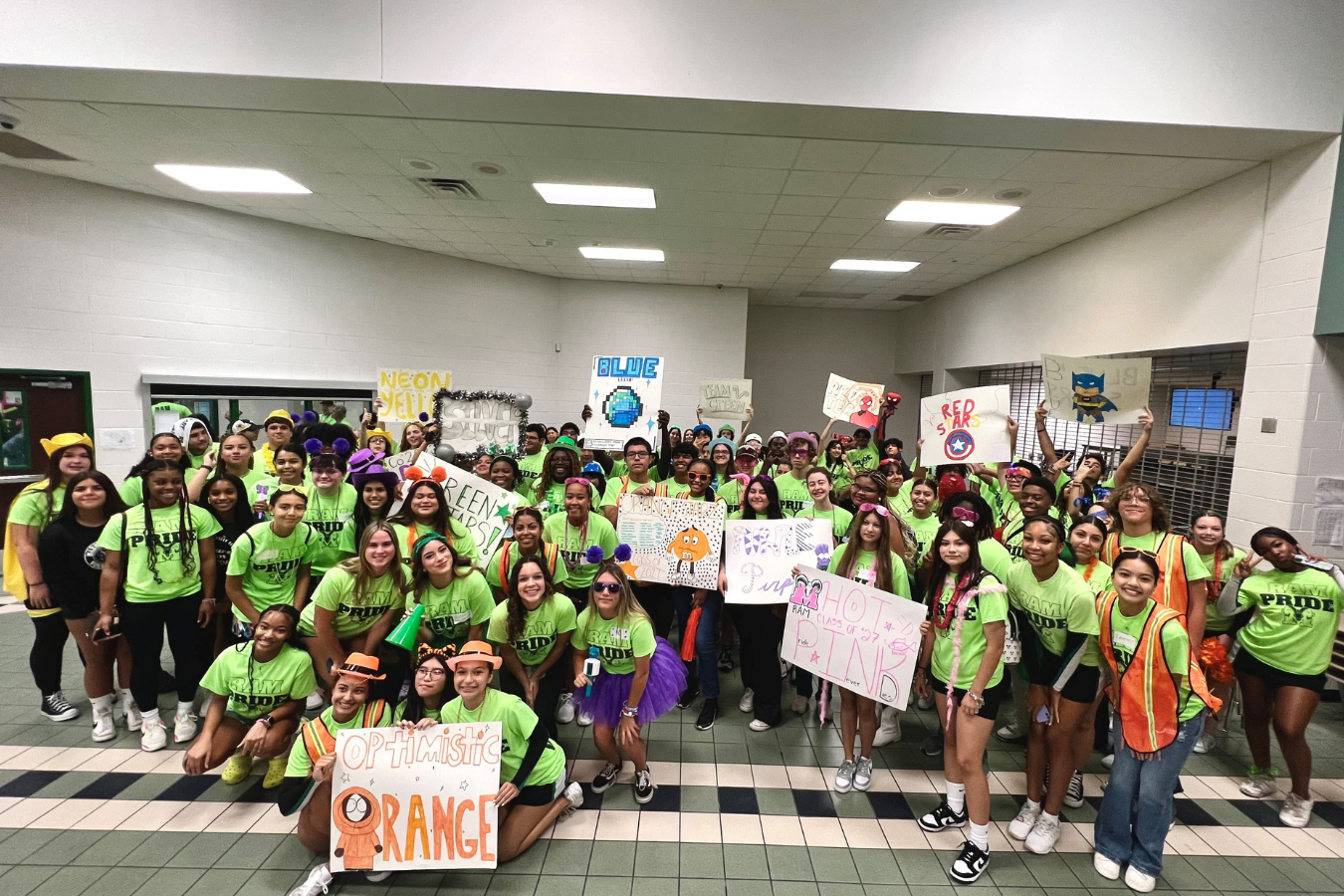
- Create a strong sense of belonging through welcoming routines, inclusive classrooms, and peer connections.
- Identify disengagement immediately through attendance, participation, and relationship data.
- Communicate high expectations and support simultaneously, helping students believe they can succeed.
- Ensure every student has a trusted adult connection during the first weeks of school.
Key Takeaway for Educators
The first few weeks of school function as a “launch period” that establishes students’ beliefs about whether they belong, whether adults care about them, and whether school is a place where they can succeed. Research consistently links these early perceptions to attendance, engagement, credit attainment, academic achievement, and ultimately graduation outcomes. Schools that intentionally build belonging, relationships, and positive experiences at the beginning of the year are not just creating a good start; they are influencing success for the entire year.