
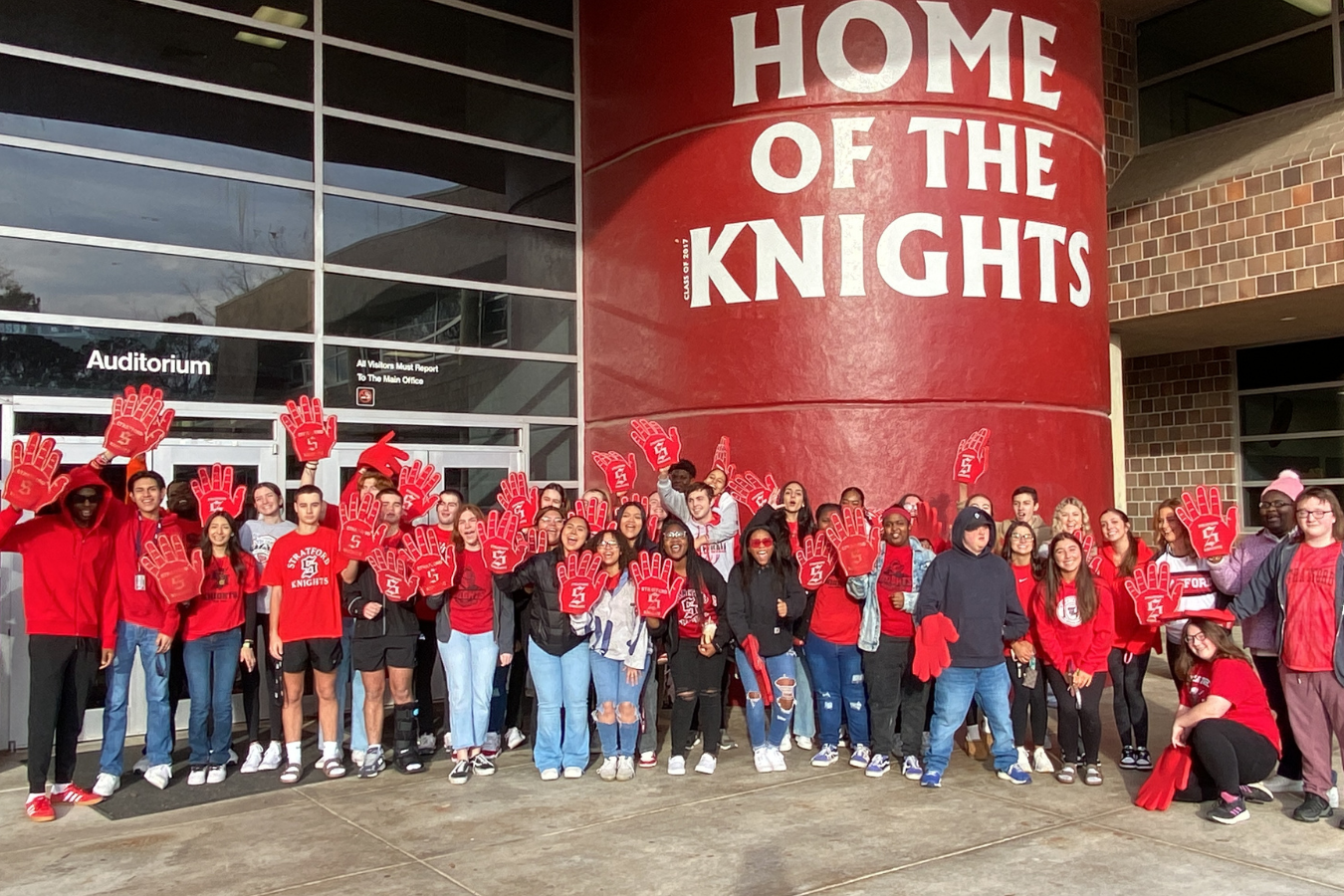
A high-five may seem like a small gesture, but research suggests that positive greetings and affirming physical gestures from educators can have meaningful effects on student engagement, behavior, motivation, and sense of belonging. While researchers often study high fives as part of broader “positive greetings” practices, the evidence points to several important benefits.
High-Fives Help Students Feel Seen and Connected
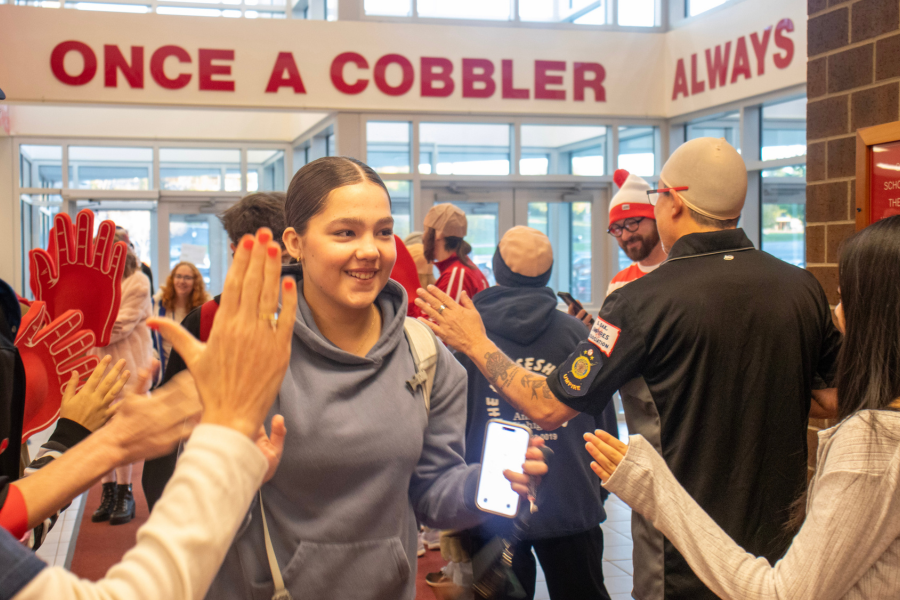
One of the strongest findings in educational research is that positive teacher-student interactions increase students’ sense of belonging and connection to school. Greeting students individually, often with a high-five, or even a fist bump or special handshake, creates a personal moment of recognition that communicates “I’m glad you’re here.” This can strengthen relationships and contribute to a more positive classroom climate.
Researchers Clayton Cook and colleagues described these actions as a proactive strategy that increases social connection between teachers and students while helping students transition into learning mode.
High Fives Can Increase Academic Engagement
Dr. Cook’s research , which quickly became on the most cited studies on positive greetings, involved 203 middle school students across 10 classrooms. For the study, teachers greeted students at the door using their names along with a positive verbal or nonverbal greeting such as a high-five, fist bump or similar interaction. Researchers found that academic engagement increased by approximately 20 percentage points after the strategy was implemented.
The researchers theorized that the increase in engagement translated into a substantial amount of additional learning time over the course of a school day.
High Fives Can Reduce Disruptive Behavior
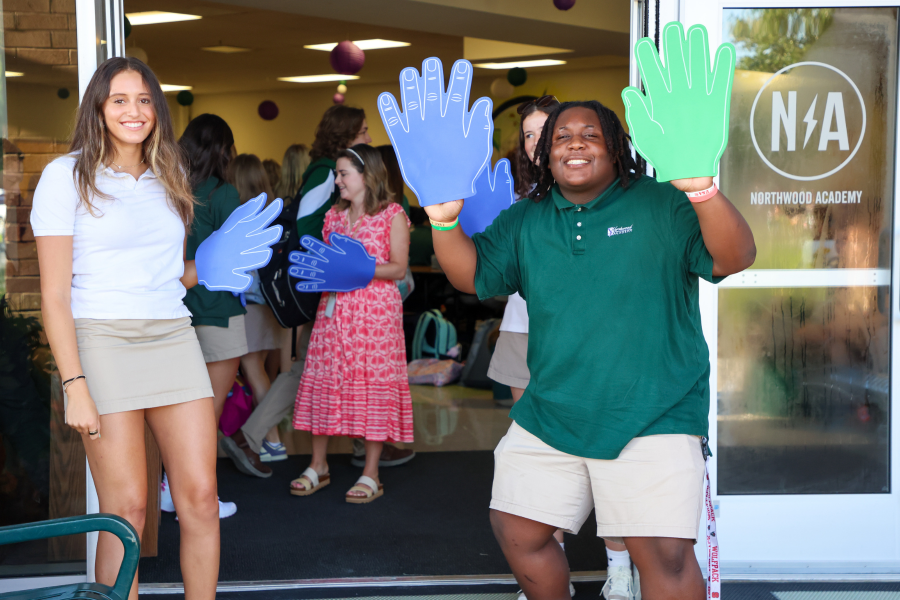
The same study found that positive greetings significantly reduced disruptive classroom behavior. Students were less likely to engage in behaviors such as talking out of turn, distracting classmates, or failing to focus on instruction. Disruptive behavior decreased by about 9 percentage points in classrooms using positive greetings.
More recent follow-up research and graduate studies examining “Positive Greetings at the Door” have reported similar findings, showing increases in academically engaged behavior and decreases in disruptive behavior.
High-Fives Support Motivation and Positive Reinforcement
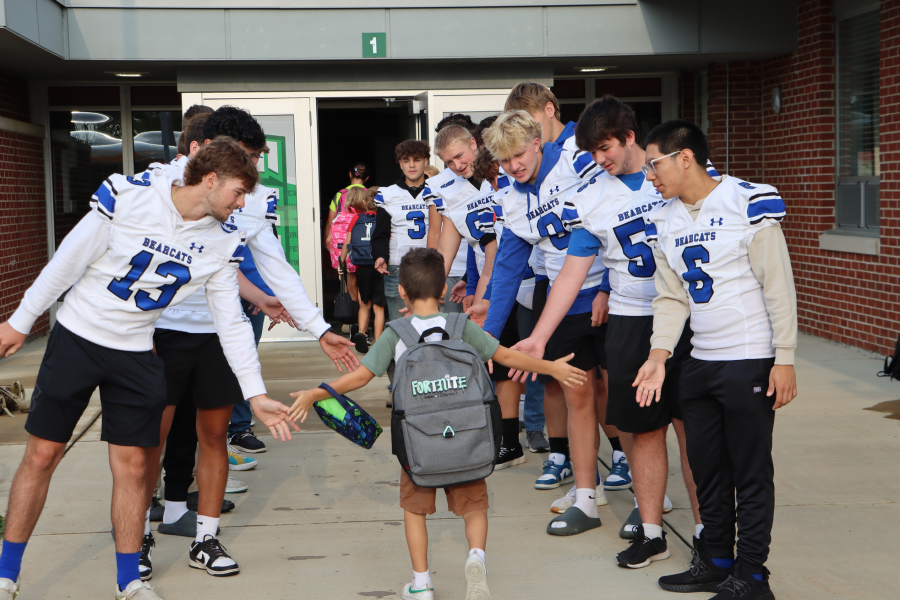
Research on praise and recognition suggests that nonverbal gestures, including high-fives, serve as powerful forms of positive reinforcement. When combined with specific praise, high-fives acknowledge effort, celebrate success, and encourage persistence. Such gestures reinforce desired behaviors without interrupting instruction.
And this all ads up! For a long time, educational psychologists have long emphasized that students are more likely to repeat behaviors that are recognized and positively reinforced. High-fives are an immediate, visible, and memorable form of encouragement that students need to grow into thriving adults.
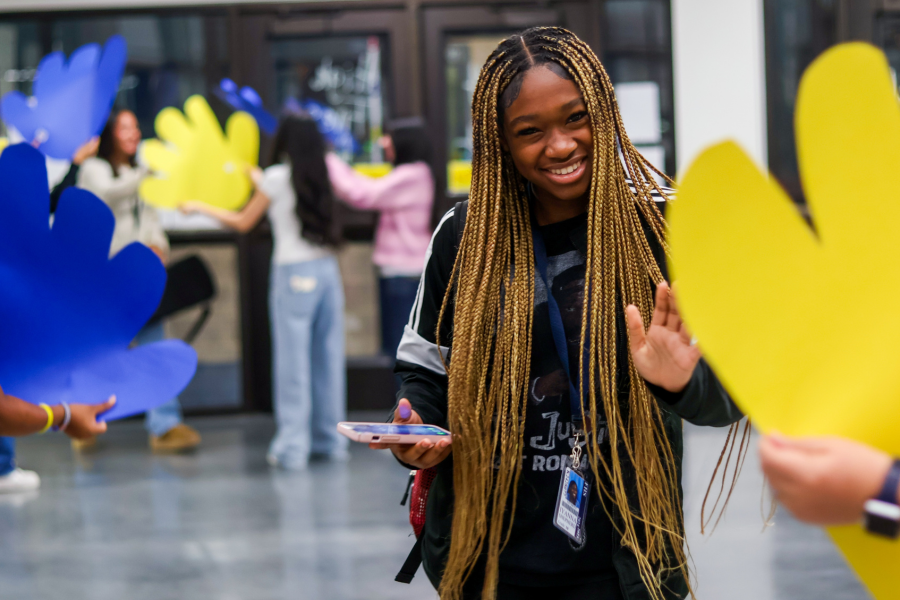
High Fives Help Create a Positive School Culture
Researchers and practitioners note that regular positive interactions can improve classroom community, reduce stress during transitions, and foster a culture of respect and encouragement. Beyond individual classrooms, positive greeting practices help establish a campus environment where students (and their families) feel seen, hear and valued.
For students who may be struggling socially, emotionally, or academically — a simple daily high -five can serve as a consistent signal that an adult at school cares about them.
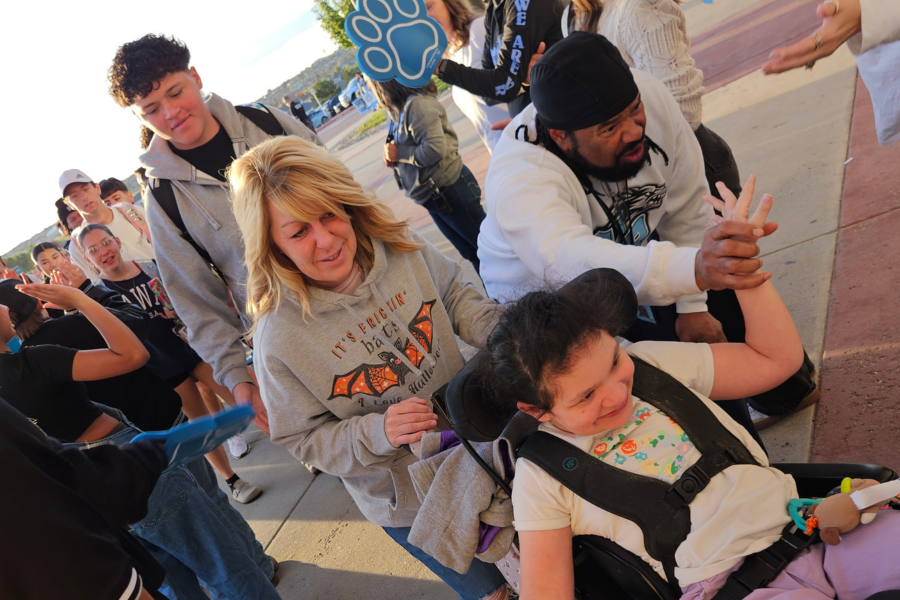
Key Takeaways
In short, greeting students with joy and fun:
- Increase students’ sense of belonging and connection.
- Improve teacher-student relationships.
- Increase academic engagement.
- Reduce disruptive behavior.
- Reinforce positive behavior and effort.
- Contribute to a welcoming, positive school culture.
Remember this: a simple high-five is much more than a friendly gesture. When used consistently and authentically, it can strengthen relationships, increase engagement, improve behavior, and help students feel that they belong.