Our nation and world are in the midst of sweeping economic and educational change. Today’s students will be tomorrow’s workers, who must find their way in an era of high-tech, global competition and unrelenting change. That’s all in a time when we worry about growing gaps between the haves and the have-nots in education, opportunities and earnings.
We responded by pressing students to learn and know more and better — and to show what they know on standardized tests. We created new curricula, instructional materials, assessments, mobile apps, professional development programs, school models and accountability systems.
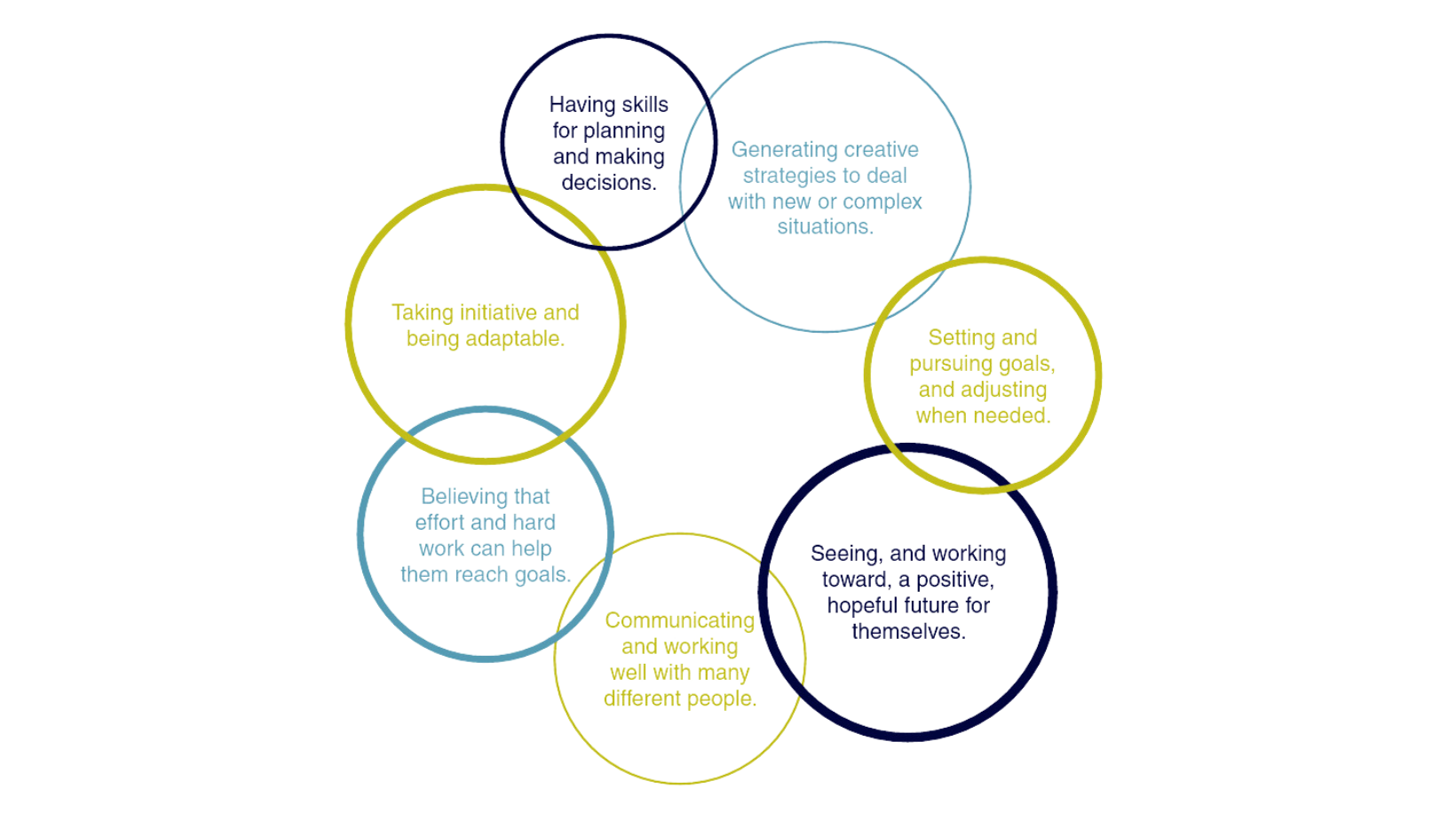
These strategies are necessary but not sufficient. Along with learning math, science and other technical subjects and “hard skills,” students also need to develop the “soft skills” (or character skills) that give them the personal strengths to be effective leaders, workers, family members and citizens. Dozens of these skills, attitudes, and values — which we call “character strengths”— really matter. (They’re not really “soft.”) They include:
These character strengths are caught more than they’re taught.
- They’re caught through relationships with their families, teachers, coaches, mentors and peers.
- They’re caught when students discover, practice and internalize them.
- They’re caught when we create expectations that each and every student has value, can learn and grow and have something important to offer their families, their communities and the world, and remove barriers that prevent them from doing so.
When students catch these character strengths, they are ready not only to survive in a rapidly changing world. They are ready to thrive in it.
Kent Pekel, Ed.D.
President and CEO, Search Institute
Character skills such as conscientiousness, sociability and curiosity “rival IQ” in predicting educational attainment, labor market performance, physical health and reduced criminality.
A Mixed Bag of Terms
“Character strengths” are sometimes labeled soft skills, non-cognitive skills, character skills, social-emotional skills, 21st century skills, and many other terms. In addition, they’re studied in many different disciplines, from educational psychology to behavioral economics to neuropsychology. But in the end, they all point to a constellation of personal skills, attitudes, values and mindsets that we’re calling, collectively, “character strengths.”
Character Strengths in Students
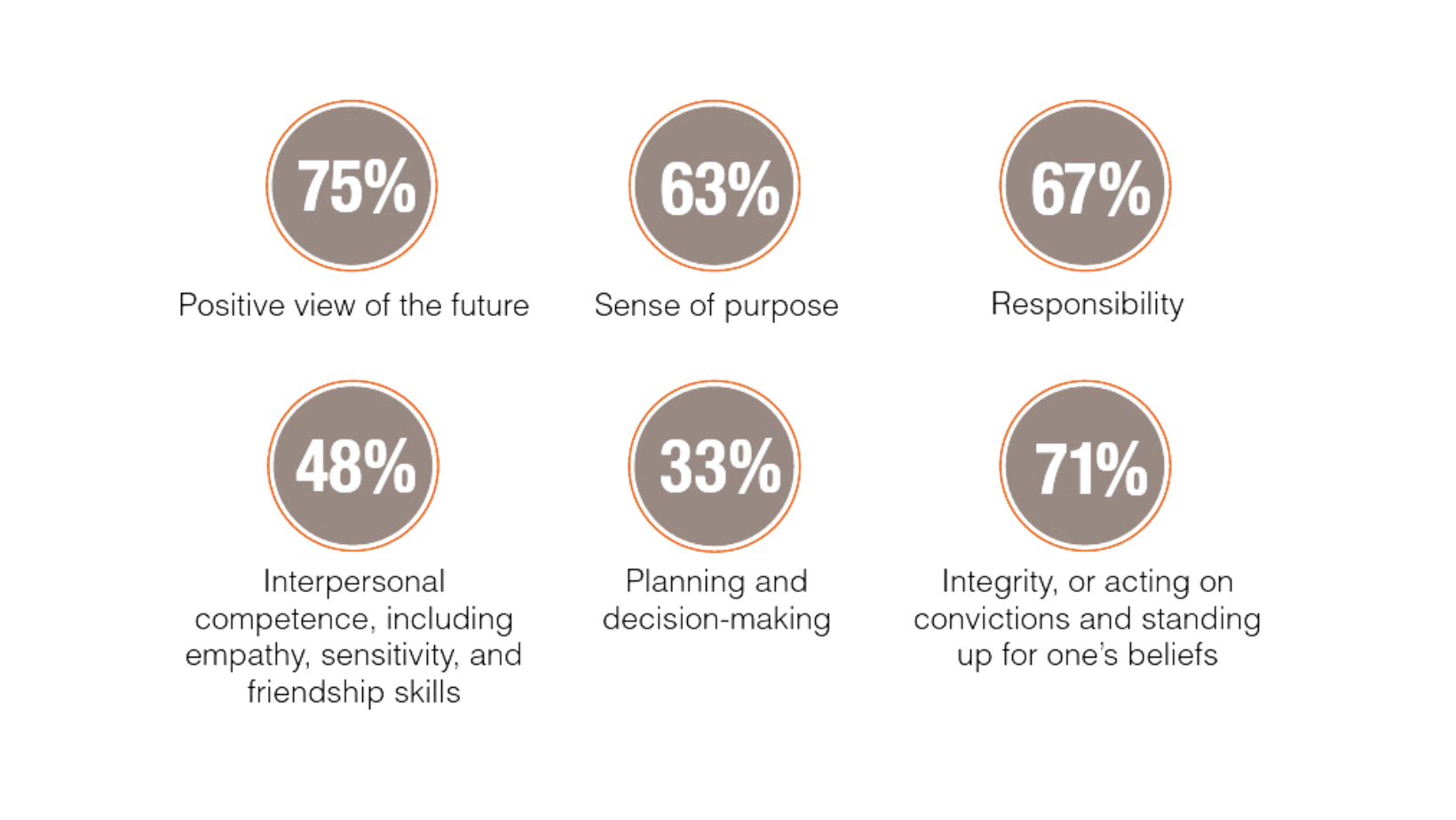
According to Search Institute surveys of 89,000 U.S. middle and high school students, here are percentages of young people who report key character strengths or soft skills:
What’s Important to Parents
Whenever the subject turns to character or social skills, educators may worry that they’re entering a dangerous conversation about beliefs and values. And, yes, some areas of character strengths cross those boundaries. However, there are core character strengths that U.S. adults from across the ideological spectrum believe are important to cultivate in young people, according to Pew Research Center. Here are the percentages of parents (with children from birth through age 18) who say each of these character strengths is one of the top three that are most important to nurture in children (with little variation across the ideological spectrum):
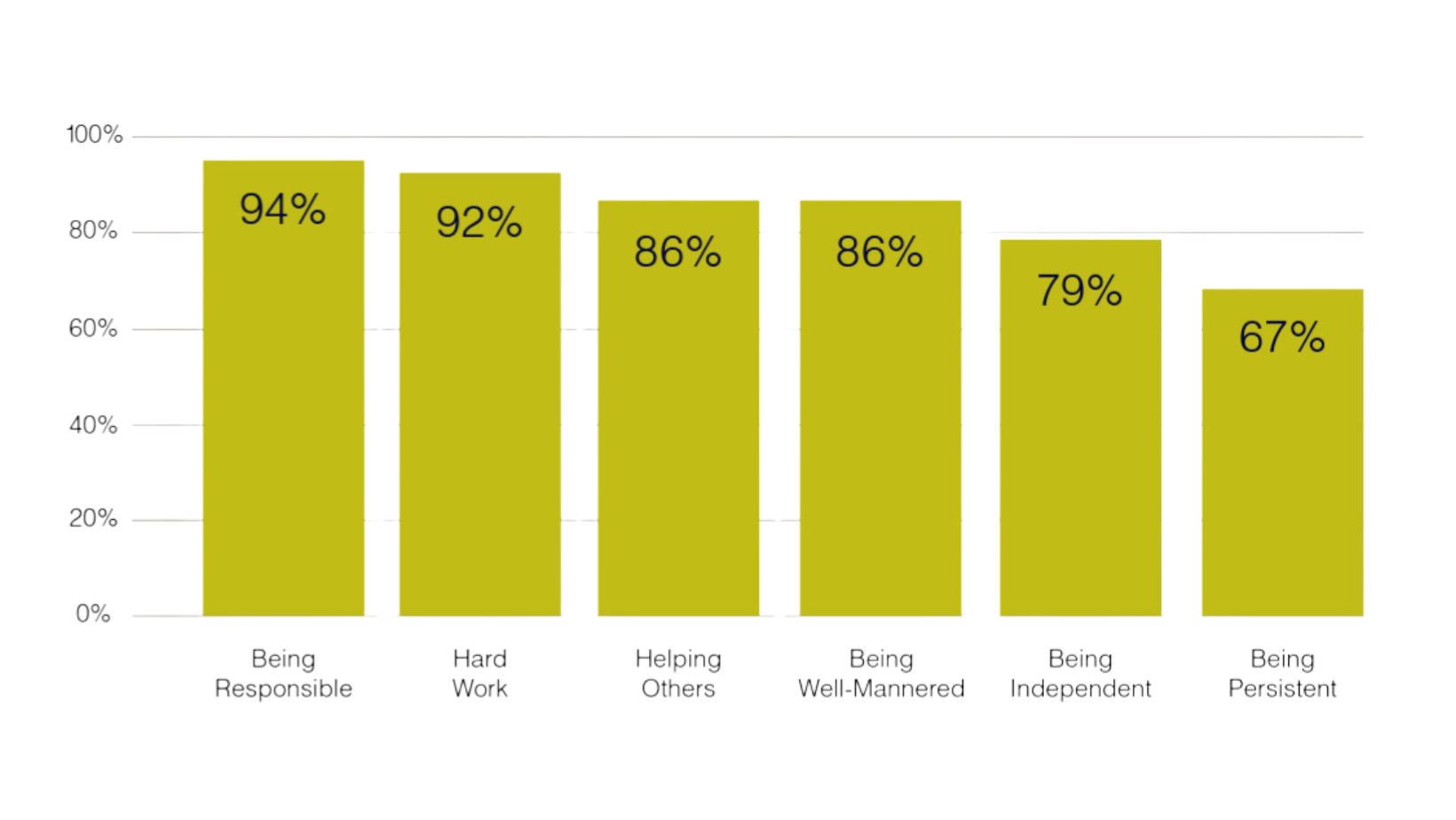
Some other priorities and values did bring out ideological differences between groups, such as the importance of faith, creativity and tolerance. By focusing on the areas where there’s a shared priority, schools and others can work together across differences in other areas.
What’s Important to Employers
The Conference Board asked more than 400 employers from across the United States what skills were very important for high school and college graduates to have to be successful in the workforce. Many character strengths ranked higher than academic knowledge.
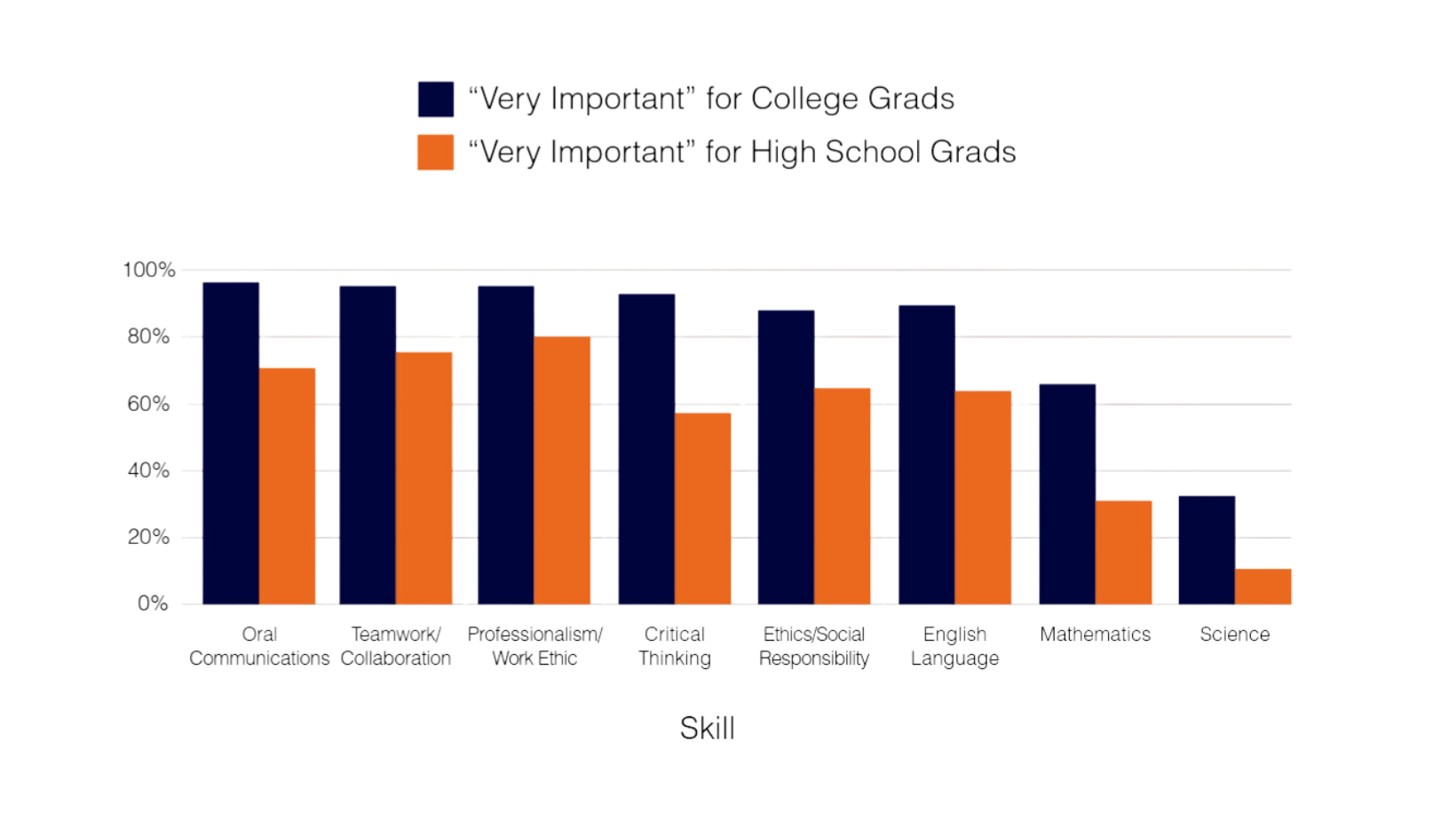
Critical Skills for All Types of Jobs
The U.S. Department of Labor’s Occupational Information Network identifies 1,000 occupations and the desired worker characteristics for each. These occupations fit into 20 job clusters, such as business and financial operations; farming, fishing and forestry; healthcare practitioners and technical; sales and related; and production. Character strengths are consistently viewed as critical across these many diverse occupations. For example, being conscientious or dependable was listed as the top-ranked soft skill for 14 of 20 types of jobs. It was ranked second for five of the remaining six types. Other high-ranking qualities include integrity, self-control, cooperation and analytical thinking.
The Motivation Factor
Academic motivation of many young people is lowest when they arguably need it the most: at the end of their high school years just before they transition to postsecondary education or the workforce. A variety of research highlights dramatic declines in enthusiasm, engagement and motivation for learning as students move through schooling — from kindergarten to high school and beyond. Particularly sharp declines are evident:
- During transitions to middle and high school;
- For boys; and
- For students from low socioeconomic, minority and immigrant backgrounds.
Growing evidence points to an intentional focus on nurturing soft or character skills through relationships as a powerful leverage point for rekindling enthusiasm, engagement and motivation. If that’s true, building relationships and creating opportunities that nurture these character skills and strengths may be a critical factor in addressing some of the vexing gaps in student success and opportunities that we seek to address in this society.
Small Things Can Make a Big Difference
Brief exercises that focus on students’ thoughts, feelings and beliefs about education can make a big difference in learning — even helping to reduce achievement gaps months and years later.
| When students… | Then they are more likely to… |
|
|
Why do these kinds of seemingly simple activities matter? According to researchers David Yeager and Gregory Walton, they “change students’ mindsets to help them take greater advantage of available learning opportunities.”
A Different Kind of Smart
Sometimes we assume that the “smart” people are the ones who can win Jeopardy or who know all the answers on Who Wants to Be a Millionaire. Those are the people who will “make it” in life. But research shows that a variety of character strengths or soft skills matter as much or more than IQ for success in school, work and other areas of life. More than IQ, grade point average or achievement test scores, levels of character strengths (such as conscientiousness, emotional stability and self-regulation) during the teen years better predict the following in adulthood:
- Graduating from college
- Participating in the labor market
- Having higher earnings
- Not experiencing depression
- Avoiding involvement in the criminal justice system
- Being in long-term relationships
Jostens partnered with Search Institute to provide research-based data and advice for dealing with common school challenges. Over the past 30 years, Search Institute has studied the strengths and difficulties in the lives of more than five million middle and high school youth across the country and around the world to understand what kids need in order to succeed. Like Jostens Renaissance, Search Institute focuses on young people’s strengths, rather than emphasizing their problems or deficiencies. Visit SearchInstitute.org to learn more.
Click the button to download a the full guide with class activities, statistics and research and sources around character strengths in students.
WANT TO USE JOSTENS RENAISSANCE?
If you are a Jostens customer and you need a login to access all the resources on JostensRenaissance.com, email your rep or click here.
If you don’t currently partner with Jostens for yearbooks or graduation regalia or other celebratory products, you can learn more here.
Our nation and world are in the midst of sweeping economic and educational change. Today’s students will be tomorrow’s workers, who must find their way in…

For the 2015 Jostens Renaissance National Conference, we held a “Why Jostens Renaissance?” video contest and asked schools to make a 3 minute or less video…